

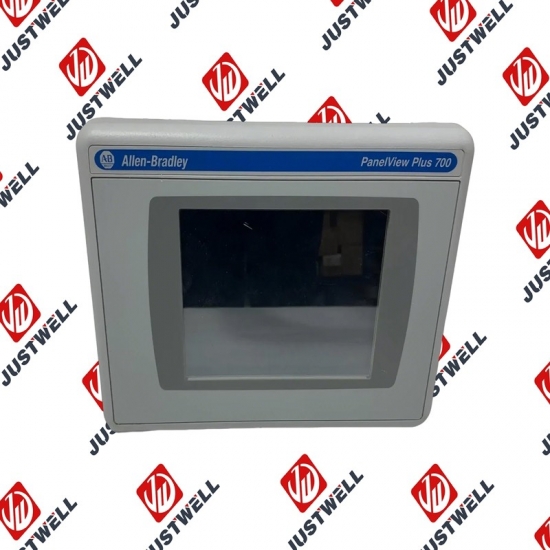
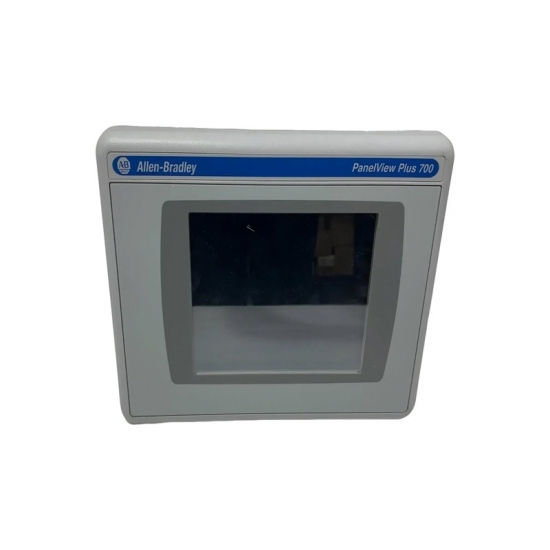
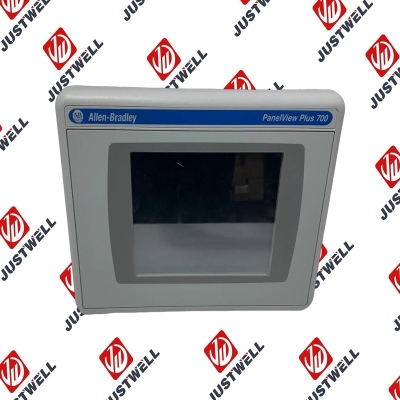
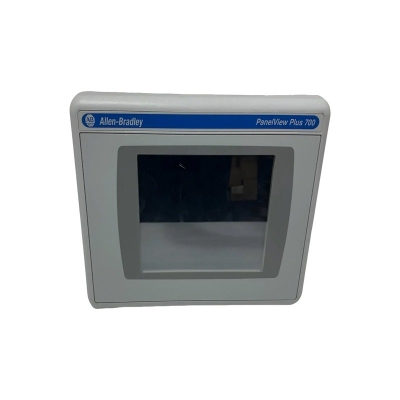
2711PB15C22D9PB A-B Multi-Function Processor Module
Item NO.:
2711PB15C22D9PBPayment:
T/TProduct Origin:
USAColor:
NewLead Time:
IN STOCK2711PB15C22D9PB A-B Multi-Function Processor Module
Motor and Equipment Stress: In addition to efficiency, VFDs bring electrical and mechanical benefits. A VFD inherently provides a soft start for the motor, ramping up speed (and current) gradually. This avoids the massive inrush current of across-the-line motor starts, which is typically 6–8 times the motor’s fullload current. By contrast, a properly tuned VFD can limit startup current to around 1.5 times the motor’s rated current . This dramatically reduces heat and stress in the motor windings and minimizes voltage sags in the supply. Mechanically, soft starting means less shock to couplings, gearboxes, and belts – the motor doesn’t “jerk” the system into motion. This prolongs the life of both the motor and the driven equipment. For example, eliminating hard stop/start cycles on a pump reduces pressure surges (water hammer) in the piping, thereby cutting down on leaks and extending valve and seal life. One industry study notes that with VFD control, inrush currents are about 150% of nominal instead of 600%, which significantly extends equipment lifetime and reduces maintenance needs . Improved Process Control: Because a VFD can continuously adjust motor speed, it allows much finer control over process variables. In a manufacturing line, for instance, a VFD-driven conveyor can have its speed automatically modulated to prevent bottlenecks – if a downstream sensor detects a backup of products, the upstream conveyor can slow down preemptively. This avoids pileups and spills (e.g. bottles on a filling line not toppling over). In HVAC systems, VFDs adjust fan or pump output to maintain temperature and pressure setpoints precisely, improving comfort and process stability. In a web handling process (like paper, film, or textile production), multiple VFDs can coordinate to maintain proper tension in the material, something that is difficult to achieve with traditional fixed-speed motors and mechanical clutches. The precision and responsiveness of electronic speed control often leads to better product quality and less waste. In fact, one of the first industrial uses of AC VFDs in the 1960s was in textile fiber manufacturing – by replacing fixed-speed motors and mechanical drives, VFDs were able to improve uniformity of the fiber and reduce waste, while also lowering maintenance costs . This level of control is a key reason VFD technology has been a game-changer across many industries.
The structure and details of the product:
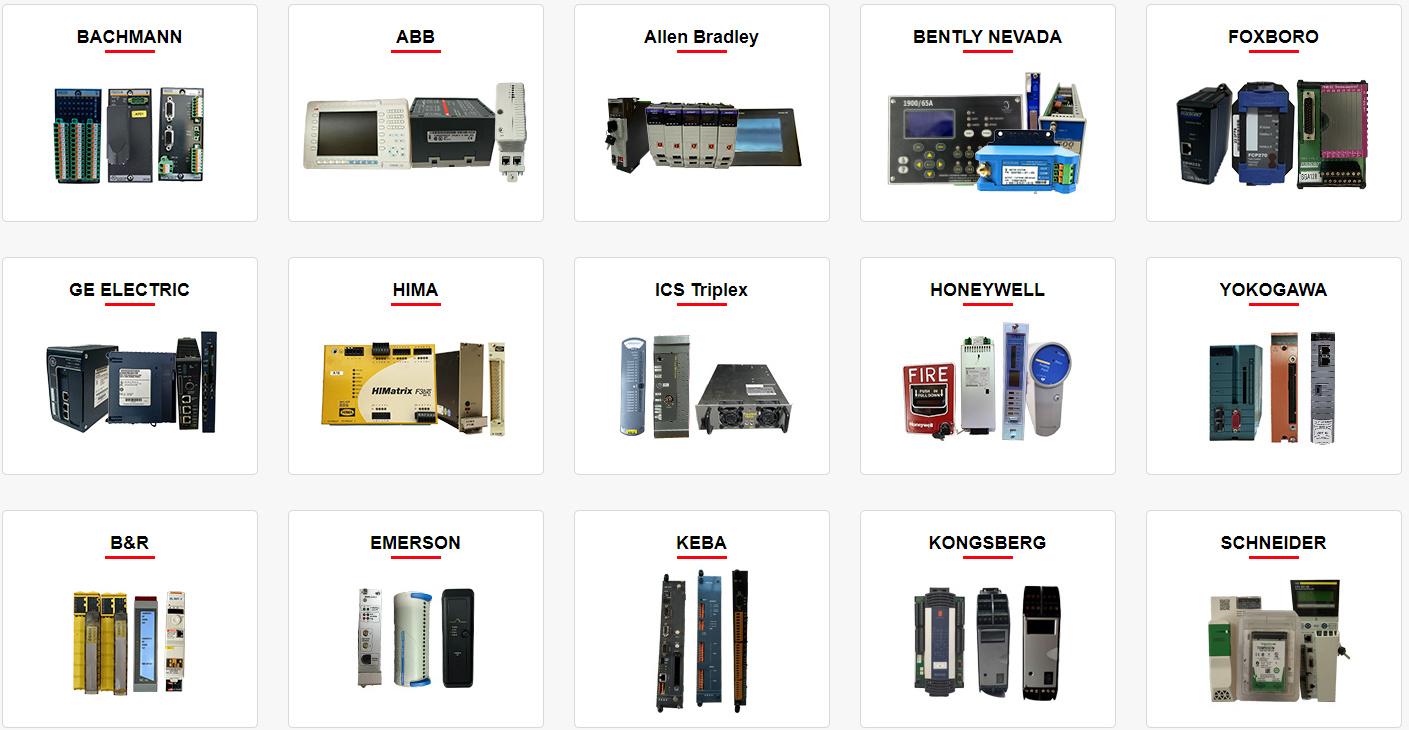 Please make an inquiry for more models
AB 1756-LSP
AB 1756-LSP/B
AB 1756-M02AE
AB 1756-M02AS
AB 1756-M03SE
AB 1756-M08SE
AB 1756-M1
AB 1756-M16S
AB 1756-M16SE
AB 1756-N2
AB 1756-OA16
AB 1756-OA16I
AB 1756-OB16D
AB 1756-OB16E
AB 1756-OB16I
AB 1756-OB16I/A
AB 1756-OB16IEF
AB 1756-OB16IS
AB 1756-OB32
AB 1756-OB32/A
AB 1756-OB8
AB 1756-OF4
AB 1756-OF41794-ADN
AB 1756-OF6CI
AB 1756-OF6VI
AB 1756-OF8
AB 1756-OF8/A
AB 1756-OF81
AB 1756-OG16
AB 1756-OH8I
AB 1756-ON8
AB 1756-OV16E
AB 1756-OV32E
AB 1756-OW16I
AB 1756-OW16I/A
AB 1756-OX8I
AB 1756-PA72
AB 1756-PA72/B
AB 1756-PA72/C
AB 1756-PA75
AB 1756-PA75/A
AB 1756-PA75/B
AB 1756-PA75R
AB 1756-PAR2
AB 1756-PB72
AB 1756-PB75
AB 1756-PB75R
AB 1756-PBR2
AB 1756-PC75
AB 1756-PLS
AB 1756-PSCA2/A
AB 1756-RM
AB 1756-RM2
AB 1756-RM2/A
AB 1756SC-CTR8
AB 1756-SRM/B
AB 1756-TBCH
AB 1756-TBNH
AB 1756-TBS6H
Other best-selling products:


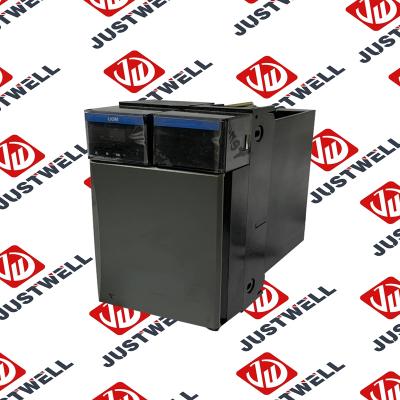
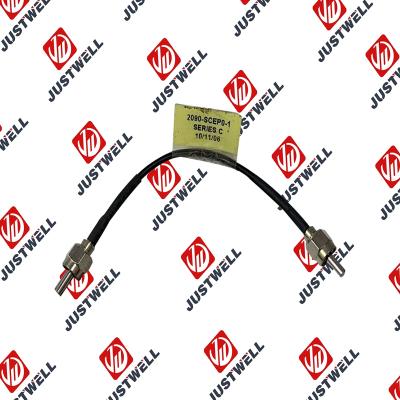
Rockwell Automation announces that as of December 31, 2025, the Kinetix 0.1-0.1m Fiber Optic Ca...
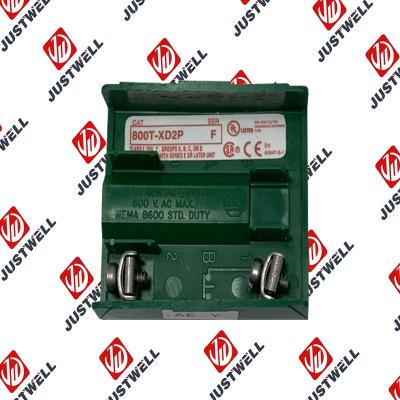
Rockwell Automation announces that as of December 31, 2019, the 30mm Contact Block 1-NC 800T PB...
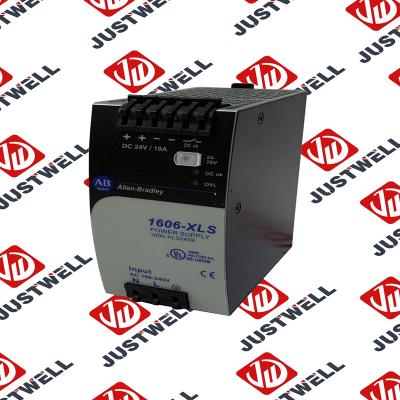
A-B 1606-XLS240E Processor module 24V,10A Single Phase Input Those responsible for the application a...
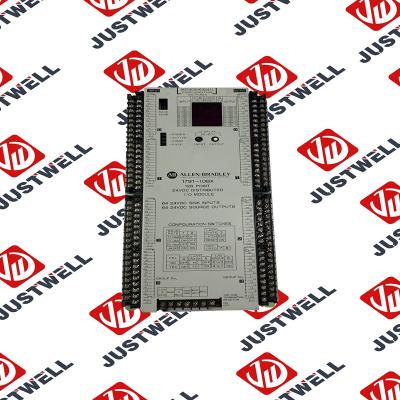
This document is the original document. All rights to this documentation are reserved by Pilz GmbH &...
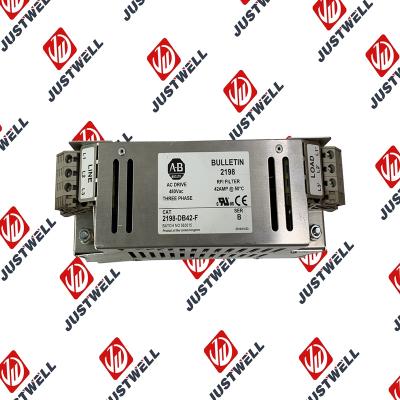
Representative Photo Only (actual product may vary based on configuration selections)
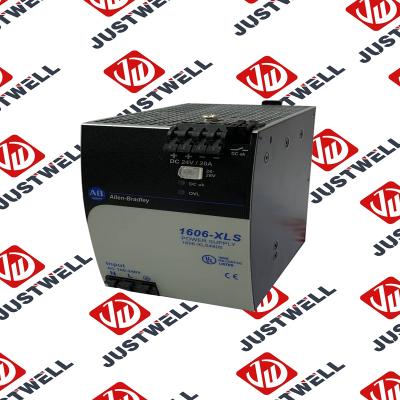
Power Supply, 480 W, 24V DC, No Special Function, Performance Family, Global Input Voltage This prod...
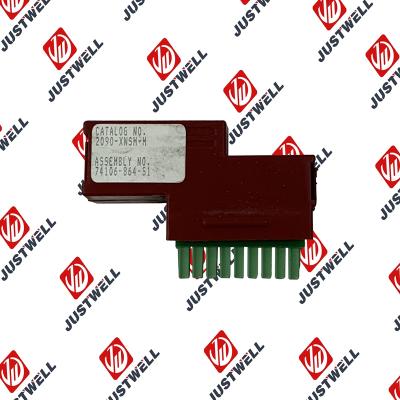
Rockwell Automation announces that as of December 31, 2025, the Kinetix Safe Off Header Connect...
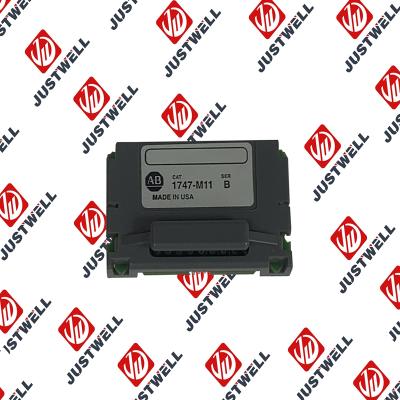
Troubleshooting and Product Information for 1747-M11 Download product information, troubleshooting g...

 IPv6 network supported


