

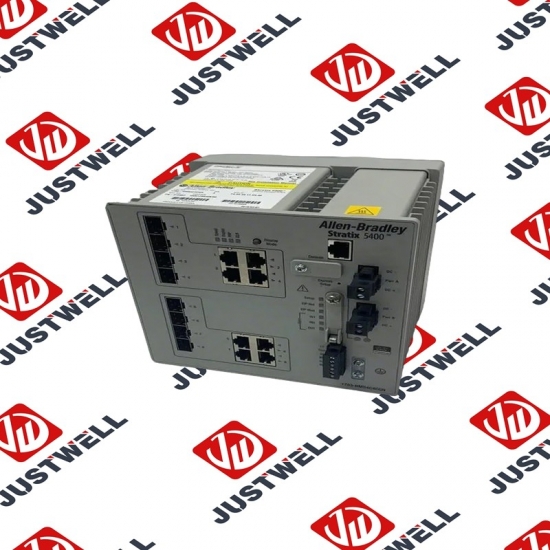
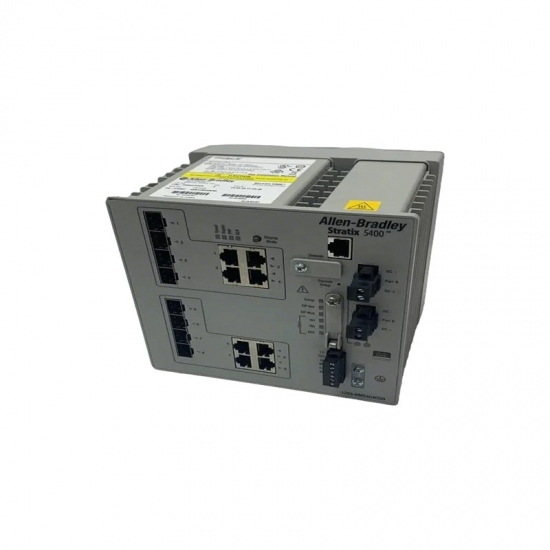
SP-151148 A-B Operator unit
Item NO.:
SP-151148Payment:
T/TProduct Origin:
USAColor:
NewLead Time:
IN STOCKSP-151148 A-B Operator unit
At its core, a VFD converts fixed incoming AC power to a variable-frequency AC output through a series of power electronics stages. First, a rectifier (typically a diode or thyristor bridge) converts the incoming AC to DC. Next, a DC link – consisting of capacitors (and sometimes inductors) – smooths and stores the DC power. Finally, an inverter built from high-speed switching transistors (IGBTs or MOSFETs) converts the DC back to AC at the desired frequency and voltage, using pulse-width modulation (PWM) to create a sinusoidal output waveform . In essence, the VFD synthesizes a new AC waveform of adjustable frequency. A built-in microprocessor controls the inverter switching pulses to implement different motor control algorithms – from simple volts-per-hertz (V/Hz) control to advanced vector control or even direct torque control. This gives excellent regulation of motor speed and torque, even under varying loads or at low speeds. For example, if a motor needs to run at 50% speed, the VFD’s inverter will output roughly 30 Hz (instead of the usual 60 Hz) with a reduced voltage, keeping the volts-to-hertz ratio constant to avoid saturating the motor. By modulating output frequency (and voltage in proportion), the VFD can slow down or speed up a motor on demand, enabling smooth acceleration, dynamic braking, and precise speed holding. Modern drives also use feedback from the motor (or sophisticated estimation models) to adjust the PWM in realtime, which is how sensorless vector and closed-loop vector control modes achieve tight speed and torque control. Fundamentally, a VFD eliminates the need for mechanical speed control mechanisms: instead of running a motor at full speed and then throttling flow with a valve or damper (wasting energy), a VFD can run the motor at the exact speed needed. The difference in efficiency is dramatic – for centrifugal loads like pumps and fans, the power required drops roughly with the cube of the speed (per the affinity laws), so even a small speed reduction yields a large energy reduction
The structure and details of the product:
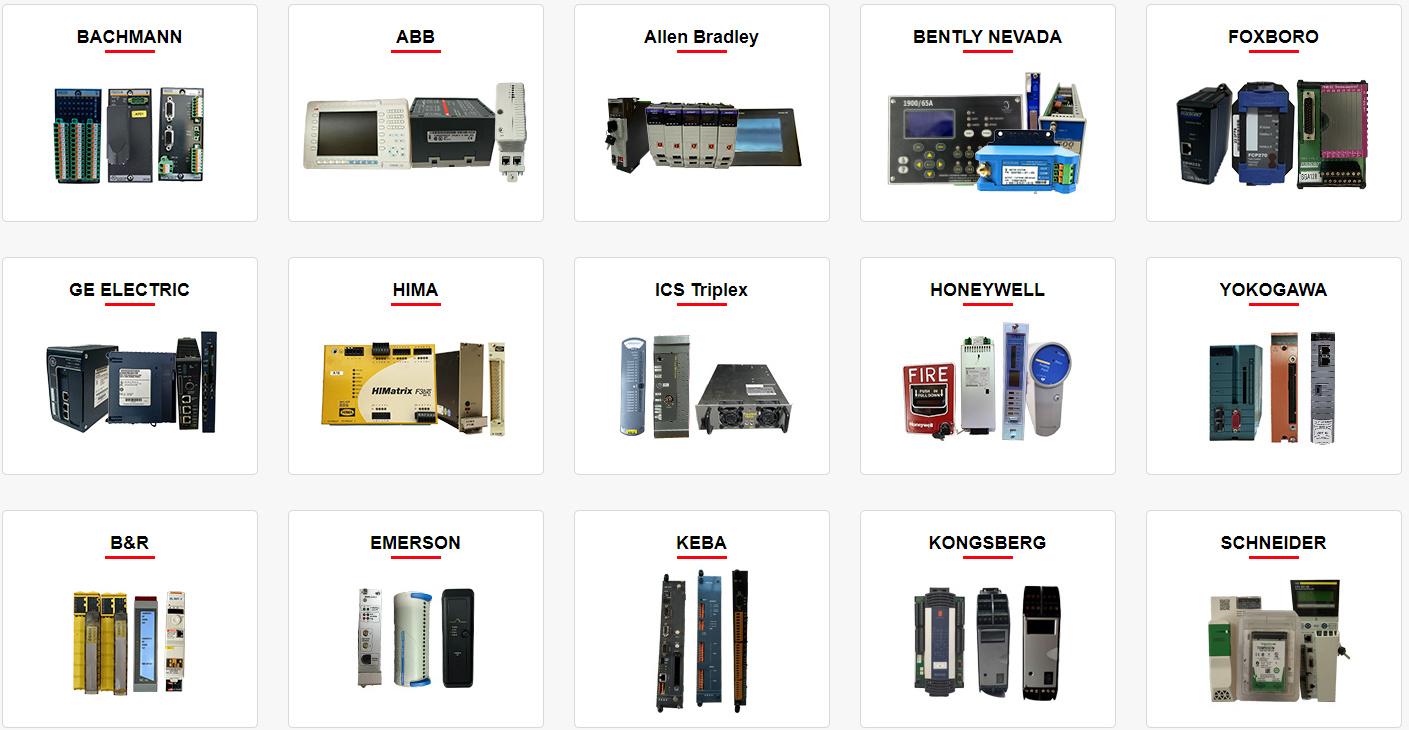 Please make an inquiry for more models
AB 1756-LSP
AB 1756-LSP/B
AB 1756-M02AE
AB 1756-M02AS
AB 1756-M03SE
AB 1756-M08SE
AB 1756-M1
AB 1756-M16S
AB 1756-M16SE
AB 1756-N2
AB 1756-OA16
AB 1756-OA16I
AB 1756-OB16D
AB 1756-OB16E
AB 1756-OB16I
AB 1756-OB16I/A
AB 1756-OB16IEF
AB 1756-OB16IS
AB 1756-OB32
AB 1756-OB32/A
AB 1756-OB8
AB 1756-OF4
AB 1756-OF41794-ADN
AB 1756-OF6CI
AB 1756-OF6VI
AB 1756-OF8
AB 1756-OF8/A
AB 1756-OF81
AB 1756-OG16
AB 1756-OH8I
AB 1756-ON8
AB 1756-OV16E
AB 1756-OV32E
AB 1756-OW16I
AB 1756-OW16I/A
AB 1756-OX8I
AB 1756-PA72
AB 1756-PA72/B
AB 1756-PA72/C
AB 1756-PA75
AB 1756-PA75/A
AB 1756-PA75/B
AB 1756-PA75R
AB 1756-PAR2
AB 1756-PB72
AB 1756-PB75
AB 1756-PB75R
AB 1756-PBR2
AB 1756-PC75
AB 1756-PLS
AB 1756-PSCA2/A
AB 1756-RM
AB 1756-RM2
AB 1756-RM2/A
AB 1756SC-CTR8
AB 1756-SRM/B
AB 1756-TBCH
AB 1756-TBNH
AB 1756-TBS6H
Other best-selling products:


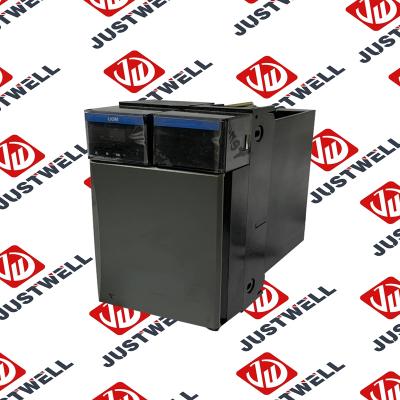
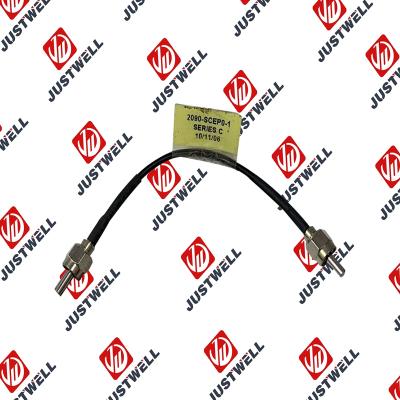
Rockwell Automation announces that as of December 31, 2025, the Kinetix 0.1-0.1m Fiber Optic Ca...
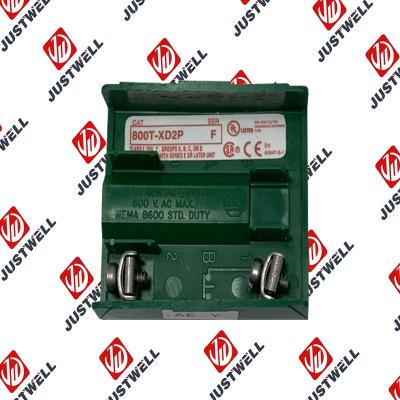
Rockwell Automation announces that as of December 31, 2019, the 30mm Contact Block 1-NC 800T PB...
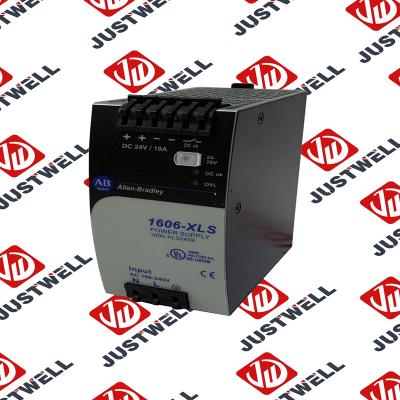
A-B 1606-XLS240E Processor module 24V,10A Single Phase Input Those responsible for the application a...
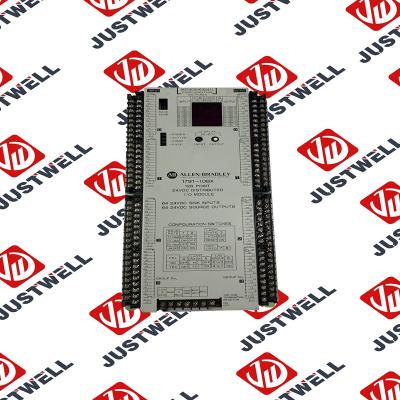
This document is the original document. All rights to this documentation are reserved by Pilz GmbH &...
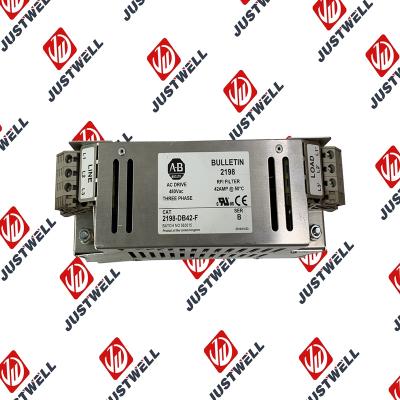
Representative Photo Only (actual product may vary based on configuration selections)
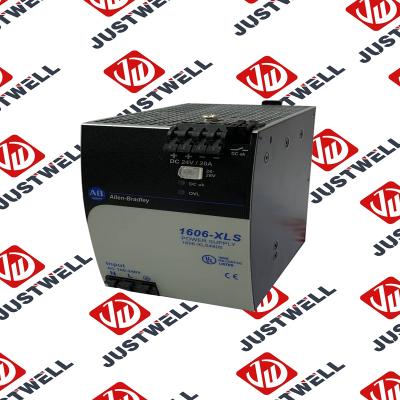
Power Supply, 480 W, 24V DC, No Special Function, Performance Family, Global Input Voltage This prod...
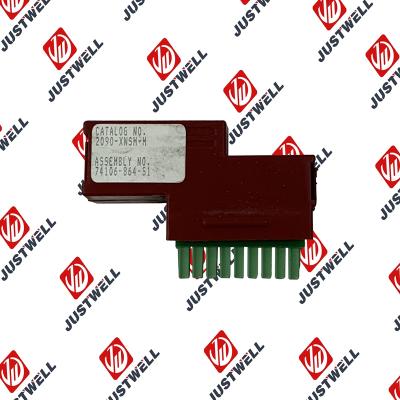
Rockwell Automation announces that as of December 31, 2025, the Kinetix Safe Off Header Connect...
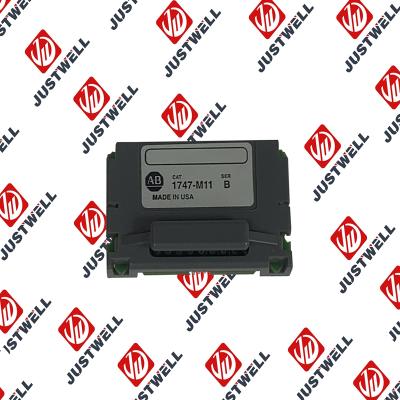
Troubleshooting and Product Information for 1747-M11 Download product information, troubleshooting g...

 IPv6 network supported


